
- Nationwide UK Buyers
Surplus Drinks Buyer UK
If your business has surplus drinks sitting in a warehouse, you may be able to turn that stock into recovered value instead of leaving it unsold. We buy suitable surplus and excess drinks across the UK, including soft drinks, energy drinks, bottled water, juice and other beverage stock. Tell us what you have, how much there is and the stock details, and we can discuss the next step.
- Who We Work With
We Buy Surplus Drinks Across the UK
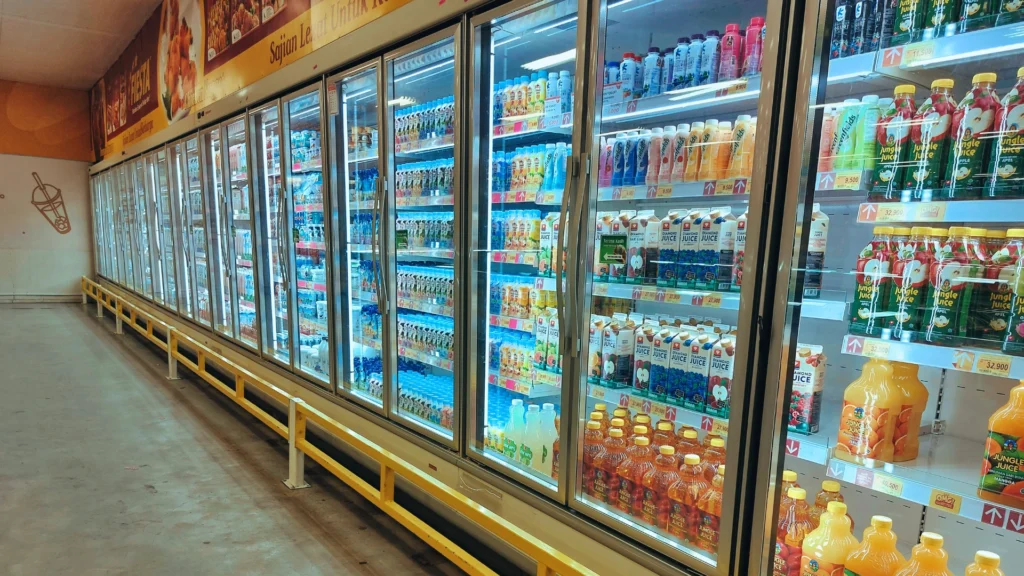
Surplus drink stock can build up for many reasons, from overstock and cancelled orders to end-of-line products and seasonal changes. We Buy Surplus Drinks UK from suitable businesses that need to move unwanted stock through a clear and practical process.
Drinks Manufacturers
Manufacturers can sometimes have extra stock after a production run, order change or product update. If the drinks are suitable for resale and meet the required conditions, surplus stock may be worth discussing before it takes up more warehouse space.
Wholesalers & Distributors
Wholesalers and distributors can be left with drinks that are no longer needed for their normal sales channels. Providing product, quantity and date information helps a buyer understand the stock more clearly.
Retailers
Retailers may have drinks left after range changes, seasonal promotions or reduced demand. Moving suitable surplus stock can help free space for products that are currently selling.
Importers
Imported drinks may become surplus when orders change or demand is lower than expected. Details such as product type, quantity, location and shelf life are useful when discussing the stock.
FMCG Businesses
FMCG businesses often deal with products that move quickly through the supply chain. When drink stock becomes excess, an experienced buyer can provide another route for suitable inventory.
- Beverage Categories
What Types of Drinks Do We Buy?
We buy suitable drink stock across several common beverage categories. This can include soft drinks, carbonated drinks, fizzy drinks, energy drinks, sports drinks, bottled water, mineral water, sparkling water, still water, fruit juice, juice drinks, squash, cordials, mixers and tonic water, subject to the stock and buying requirements.
Soft Drinks
Energy Drinks
Sports Drinks
Bottled Water
Fruit Juice & Juice Drinks
Surplus fruit juice and juice drinks can come in different pack sizes and formats. Tell us what products you have, how many units or cases are available and the relevant date information.
Squash & Cordials
Squash and cordials can become surplus when ranges change or demand falls. Keep the stock details together so it is easier to explain exactly what is available.
Mixers & Tonic Water
- Stock Situations
What Surplus Drink Stock Can You Sell?
Not all surplus stock comes from the same situation. We can consider suitable excess, short-dated, end-of-line, clearance, overstock and unwanted drinks, depending on the condition and requirements of the stock.
Excess Drinks Stock
Excess drinks are products you have more of than your normal sales channels need. Selling suitable excess stock can help reduce warehouse pressure and recover some value from inventory.
Short-Dated Drinks
Short-dated drinks have a shorter remaining selling window, which can make them harder to move through normal channels. Early contact gives a buyer more time to review the products and their remaining shelf life.
End-of-Line Drinks
End-of-line drinks may no longer fit a retailer or supplier’s normal range. Packaging changes, product replacements and range decisions can all leave businesses with stock they need to clear.
Clearance Drinks
Clearance stock can include drinks that need to move because of overstock, range changes or other commercial reasons. A clear stock list makes it easier to understand what needs to be cleared.
Overstock Drinks
Overstock happens when a business has more products than it can comfortably sell through its normal channels. Moving suitable excess stock can create warehouse space and reduce the time products remain unsold.
Discontinued Drinks
When a product is discontinued, businesses may still have remaining cases or pallets. If the stock is suitable for resale, it may be possible to find another route for the inventory.
Seasonal Drinks Stock
Seasonal products can become difficult to sell once demand changes. Acting before the relevant selling period ends can give surplus stock a better chance of finding another buyer.
- Five Simple Steps
How to Sell Your Surplus Drinks Stock
The process should be easy to understand from the first enquiry. Give us your stock details, allow the products to be reviewed, discuss the offer and then agree the collection or delivery arrangements if the sale goes ahead.
01
Send Your Stock Details
Soft drinks cover a wide range of non-alcoholic beverages, including carbonated and fizzy drinks. If you have surplus soft drinks, provide the product details, quantity and best-before information so the stock can be reviewed.
02
Stock Assessment
03
Receive an Offer
04
Arrange Collection or Delivery
05
Complete the Sale
Ready when you are
Short-Dated Drinks Buyer UK
Short-dated stock can become harder to sell as its remaining shelf life gets shorter. We consider suitable short-dated drinks based on the product, date, condition, quantity and other buying requirements, so it’s better to make contact early rather than wait until the stock is very close to its date.
End-of-Line Drinks Buyer UK
End-of-line drinks can leave businesses with perfectly usable stock that no longer fits their normal range. Product changes, packaging updates, discontinued lines and retail decisions can all create stock that needs a different route to market.
Why Do Drinks Become End-of-Line?
A drinks line may be removed because a company changes its range, updates packaging, replaces a product or stops selling a particular item. The remaining stock may still have value if it meets the relevant buying requirements.
Beverage Clearance Buyer UK
When a warehouse has surplus drinks, clearing the stock can be easier when the products are listed clearly. We can discuss suitable beverage clearance stock, including excess drinks, end-of-line products and other unwanted inventory.
What Can Beverage Clearance Include?
Beverage clearance can include suitable soft drinks, energy drinks, bottled water, juice, mixers and other drinks. The exact products accepted depend on their condition, dates, quantity and other requirements.
Why Businesses Choose Us
Selling surplus stock is not only about finding a buyer. Businesses also need a process that is easy to understand and helps them make a sensible decision about stock that may otherwise sit in storage.
- Specialist focus on surplus drinks
- A simple stock enquiry process
- Clear product information requirements
- Support for different beverage categories
- Consideration of suitable bulk quantities
- Practical discussion around collection or delivery
- A straightforward route for unwanted stock
Helping Businesses Move Surplus Drinks Responsibly
Have Surplus Drinks Stock to Sell?
If unwanted drinks are taking up warehouse space, now is a good time to review what you have. Send us your stock details and we’ll discuss whether it could be suitable for purchase.
- Nationwide Coverage
Surplus Drinks Buyers Serving Businesses Across the UK
If your surplus drinks are stored in a warehouse, shop, factory or other commercial location anywhere in the UK, tell us where the stock is held. Location, quantity and collection requirements can all affect how the sale is arranged.
Blogs
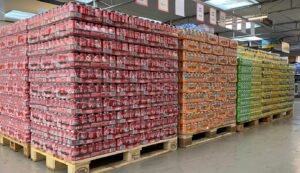
How to Clear Excess and Unwanted Drinks Inventory
How to Clear Excess and Unwanted Drinks Inventory Unwanted drinks inventory can build up quietly. A few cancelled orders here, slower sales there and a product range change can eventually leave a warehouse holding hundreds
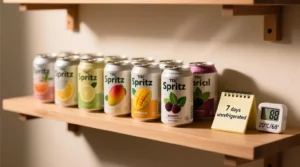
What to Do With Short-Dated Drinks Stock
What to Do With Short-Dated Drinks Stock Short-dated drinks can create a difficult situation for manufacturers, wholesalers, distributors, retailers and other businesses. The products may still be suitable for sale, but the remaining shelf life
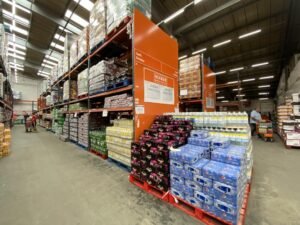
How to Sell Surplus Drinks Stock in the UK
How to Sell Surplus Drinks Stock in the UK Businesses can end up with surplus drinks stock for many different reasons. An order may be cancelled, demand may fall, a retailer may change its range
- FAQs