How to Sell Surplus Drinks Stock in the UK
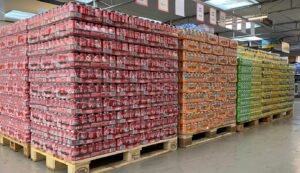
Businesses can end up with surplus drinks stock for many different reasons. An order may be cancelled, demand may fall, a retailer may change its range or a manufacturer may have more inventory than its normal sales channels can absorb.
Whatever the reason, keeping unwanted drinks in storage is not always the best option.
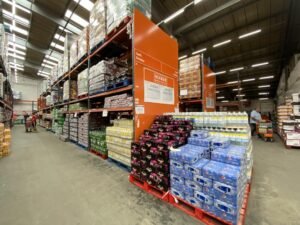
Surplus beverage stock takes up warehouse space, ties up working capital and can become more difficult to sell as it gets older. Finding a suitable buyer can provide another route for moving the inventory while recovering value from products your business no longer needs.
If you have drinks stock that needs to be moved, this guide explains what to consider before selling it and how to prepare your stock for assessment.
What Is Surplus Drinks Stock?
Surplus drinks stock is beverage inventory that a business has more of than it currently needs or expects to sell through its usual sales channels.
It can include soft drinks, energy drinks, bottled water, juice, sports drinks, mixers and other beverage products.
Surplus stock can come from:
- Over-ordering
- Cancelled customer orders
- Lower than expected demand
- Seasonal changes
- Retail range changes
- End-of-line products
- Discontinued products
- Packaging changes
- Changes in distribution arrangements
The important point is that surplus does not necessarily mean unusable. Suitable products may still have commercial value depending on their condition, packaging, quantity and remaining shelf life.
If you have a larger quantity of unwanted beverage inventory, our [Excess Drinks Stock] page provides more information about the types of excess drinks that may be considered.
Why Businesses Sell Surplus Drinks
Holding surplus stock can create several problems.
1. It Takes Up Warehouse Space
Cases and pallets of drinks can occupy significant amounts of storage space. When stock is not moving, that space cannot be used for products that are generating regular sales.
2. Capital Remains Tied Up
Money invested in inventory remains tied up until the products are sold. Moving suitable surplus stock can help release some of that value.
3. Shelf Life Continues to Reduce
For products with a best-before date, every additional week in storage reduces the remaining selling window.
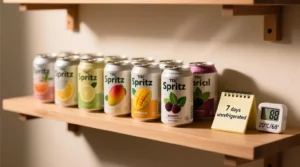
This is particularly important when dealing with short-dated drinks. If you believe your stock is becoming short-dated, it can be useful to approach a buyer before the remaining shelf life becomes very limited.
See our [Short-Dated Drinks] page for more information.
4. Inventory Becomes More Difficult to Manage
Large amounts of unwanted stock can make warehouse management more complicated. Clearing suitable products can create a more accurate picture of your current inventory.
What Types of Drinks Can Be Surplus?
Surplus drinks can occur across almost every part of the beverage market.
Examples include:
- Soft drinks
- Carbonated drinks
- Energy drinks
- Sports drinks
- Bottled water
- Mineral water
- Still water
- Sparkling water
- Fruit juice
- Juice drinks
- Squash
- Cordials
- Mixers
- Tonic water
The suitability of any particular product depends on its individual circumstances.
A buyer may need to consider the product type, quantity, packaging, condition, best-before date and location before deciding whether the stock can be purchased.
Who Can Sell Surplus Drinks Stock?
Surplus beverage inventory is not limited to one type of business.
Manufacturers
Manufacturers may have additional stock following production runs or changes to customer orders.
Wholesalers
Wholesalers can accumulate products that are no longer required by their usual customers.
Distributors
Distributors may have inventory left following cancelled orders, changes in demand or changes to distribution arrangements.
Retailers
Retailers can have surplus drinks after range reviews, promotions, seasonal activity or slower than expected sales.
Importers
Importers may hold excess stock when demand changes or an expected order does not proceed.
FMCG Businesses
Businesses operating across the FMCG supply chain can accumulate surplus beverage inventory at different stages of the process.
What Information Does a Drinks Buyer Need?
One of the easiest ways to make a stock enquiry more useful is to provide clear and accurate information from the beginning.
A good stock list should ideally include:
Brand:
The manufacturer or brand name.
Product:
The exact drink and product description.
Pack size:
For example, the size and number of units within each case.
Quantity:
The number of units, cases or pallets available.
Best-before date:
Actual dates are much more useful than simply describing stock as “short-dated”.
Condition:
Include any relevant information about the packaging and condition of the products.
Location:
The town, city or region where the stock is stored.
Additional information:
Any details that could affect the sale or collection arrangements.
If you already have an inventory spreadsheet, providing that information can make the initial discussion much easier.
Does the Quantity Matter?
Yes.
The quantity of available stock can be an important factor when assessing surplus drinks.
A business with several pallets of one product may have a different set of options from a business with a mixed selection of individual cases.
When making an enquiry, provide the most accurate quantity you can.
If the stock is stored across several locations, make that clear as well.
What About Short-Dated Surplus Drinks?
Short-dated surplus drinks deserve particular attention.
When drinks remain unsold, the remaining shelf life continues to decrease. This can make the inventory increasingly difficult to move through normal channels.
If you know that stock has a limited amount of shelf life remaining, do not wait until the best-before date is very close before exploring your options.
Our [Short-Dated Drinks] service page explains more about selling drinks with limited remaining shelf life.
What About Clearance Stock?
Sometimes the main objective is simply to clear unwanted inventory.
This could include excess drinks, discontinued products, end-of-line products, cancelled order stock or other beverage inventory that is no longer required.
If clearance is the priority, you can also explore our [Clearance Drinks] page for more information.
How to Prepare Your Drinks Stock for Sale
Before contacting a buyer, spend a little time organising the information.
Create a Stock List
List each product separately rather than providing only a total number of cases.
Check the Dates
Record the actual best-before dates for each product.
Confirm Quantities
Check the number of cases and pallets available.
Review the Condition
Make sure you know whether the packaging is in normal condition and whether there are any issues that should be disclosed.
Confirm the Location
Knowing exactly where the stock is held can help when discussing collection or delivery.
Keep Supporting Information Available
If there are product specifications, stock records or other relevant information, keep them available in case they are required during the assessment.
What Happens After You Submit Your Stock?
The next step is normally to review the information provided.
Factors that may be relevant include:
- Product type
- Brand
- Quantity
- Condition
- Packaging
- Best-before dates
- Location
- Current buying requirements
If the stock is suitable, the buying terms can then be discussed.
Collection or delivery arrangements can be agreed if the sale proceeds.
Should You Wait Until Drinks Are Very Close to Their Date?
Generally, it is better to review your options early.
The closer a product gets to its best-before date, the shorter the remaining selling window becomes.
Early action gives businesses more time to identify a suitable route for the stock and can reduce the risk of holding inventory that becomes increasingly difficult to move.
Frequently Asked Questions
Who buys surplus drinks stock in the UK?
Specialist drinks and surplus stock buyers may purchase suitable beverage inventory from businesses across the UK. The stock will normally be assessed based on factors such as product type, quantity, condition and remaining shelf life.
Where can I sell surplus drinks stock?
You can approach a specialist buyer that considers commercial drinks inventory. Provide the product details, quantities, dates and location so the stock can be reviewed.
Can manufacturers sell surplus drinks?
Yes. Manufacturers may have suitable surplus stock following production runs, cancelled orders, range changes or other commercial circumstances.
Can wholesalers sell excess drinks?
Yes. Wholesalers can have excess inventory that is no longer required for their normal customer base. A clear stock list can help when making an enquiry.
Can I sell short-dated surplus drinks?
Suitable short-dated drinks may be considered depending on the product, quantity, condition and remaining shelf life. Providing the actual best-before dates is important.
What information should I provide when selling surplus drinks?
Provide the brand, product name, pack size, quantity, best-before dates, condition and storage location. Any other relevant product information can also be useful.
Have Surplus Drinks Stock to Sell?
If your business has excess beverage inventory taking up warehouse space, it may be worth reviewing your options before the stock becomes harder to move.
Prepare your stock list, check the dates and send us the details.
[CTA: Sell Your Surplus Drinks Stock]
Internal links: